
Singapore 24K Gold: $118.5/g
+65 8904 5966
Home / Guides / Diamond Appraisal & Resale / How to Assess the Value of Your Colored Diamond Before selling
Diamond Appraisal & Resale

How to Assess the Value of Your Colored Diamond Before selling

SYJ By Appraisal Editorial Team
• • 👁 1 Reads
How to Assess the Value of Your Colored Diamond Before selling
WhatsApp Image 2024-06-14 at 18.23.54_39e916d4

Are you contemplating selling your coloured diamond but unsure about its value? Understanding what makes these gems unique is key to determining their worth. Here’s a guide to help you navigate the complex world of coloured diamonds and have a better understanding of the diamond you have.

Key Highlights:

  • Color Importance

    • Hue: Identify the actual color (red, pink, blue, etc.).
    • Intensity: Assess how vivid the color is.
    • Clarity of Color: Check for overtones affecting the main color.
    • Dominant Color: Note the main color in multi-colored diamonds.
  • Clarity Considerations

    • Less critical than in white diamonds but still noteworthy.
  • GIA Certification

    • Essential for an unbiased assessment of color and quality.
    • Certification is crucial for establishing the diamond’s value.
  • Rarity and Pricing

    • Rarity of color significantly impacts value.
    • Most valuable colors: red, pink, blue, purple.
    • Less expensive colors: yellow, brown.
  • Overtones and Transparency

    • Overtones generally decrease value.
    • Higher transparency usually means higher value.
    • Even color distribution enhances value.
  • Size and Shape

    • Larger diamonds are rarer and more valuable.
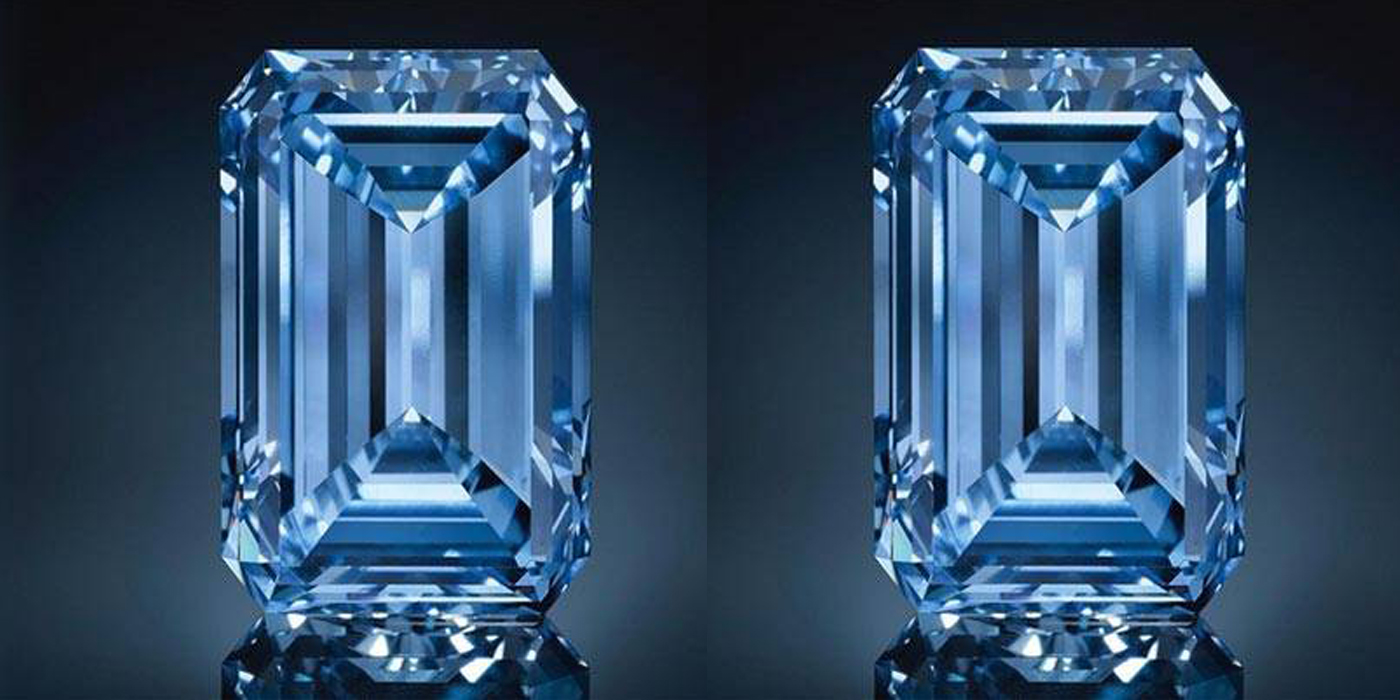
    • Valuable cuts: round, emerald.
    • Lesser value cuts: cushion, radiant.
  • Selling Tips

    • Certification: Obtain a GIA certificate.
    • Understand Attributes: Know the specifics of your diamond.
    • Professional Appraisal: Get an expert valuation.
    • Consignment: Consider for high-value diamonds.
14

 The Paramount Importance of Color

The most crucial aspect of a coloured diamond is, unsurprisingly, its colour. This includes several factors:

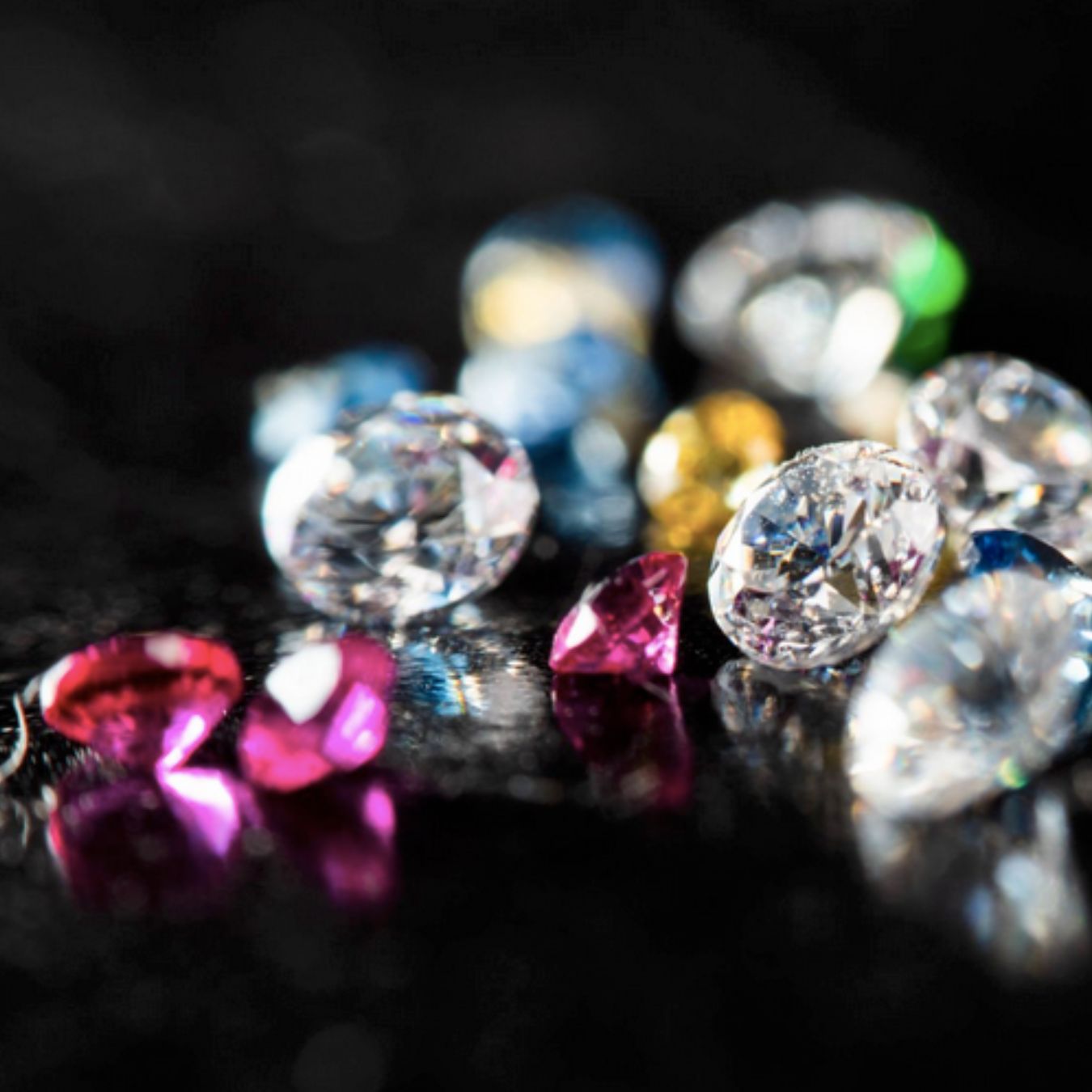
– Hue: The actual colour of the diamond. Is it red, pink, blue, purple, orange, green, yellow, or brown?

– Intensity: How strong or vivid is the colour? 

– Clarity of Colour: Look for any overtones which might affect the purity of the main colour.

– Dominant Color: In multi-colored diamonds, the last colour mentioned is the dominant one. For example, a diamond labelled as “fancy pink-brown” will typically be less valuable than one described as “fancy brown-pink.”

Clarity: Important but Secondary

While clarity is a significant factor in white diamonds, it’s less critical in coloured diamonds. However, it’s still worth considering.

 The Necessity of GIA Certification

Having a Gemological Institute of America (GIA) certificate for your coloured diamond is vital. This certification provides a professional, unbiased assessment of the diamond’s colour and quality, crucial for determining its value. No certification will put you in a weaker position as you will have no Idea what’s in your hand.

13
13

Clarity: Important but Secondary

While clarity is a significant factor in white diamonds, it’s less critical in coloured diamonds. However, it’s still worth considering.

 The Necessity of GIA Certification

Having a Gemological Institute of America (GIA) certificate for your coloured diamond is vital. This certification provides a professional, unbiased assessment of the diamond’s colour and quality, crucial for determining its value. No certification will put you in a weaker position as you will have no Idea what’s in your hand.

15

Rarity: The Key to Pricing

Coloured diamonds don’t have a standard price list, making their valuation more challenging. The rarity of the colour plays a pivotal role in determining the price. The most valuable colours are red, pink, blue, and purple, followed by orange and green. More common colours like yellow and brown are less expensive.

Overtones and Transparency

Overtones: Diamonds with overtone colours are generally less desirable and valuable.

Transparency: A diamond that is more transparent, as opposed to opaque, is typically more valuable. Deep colour grade may suggest some level of opacity.

Colour Distribution: The colour should be evenly distributed, not concentrated in the centre. A well-spread colour increases the diamond’s value.

Size and Shape Matter

Size: Larger coloured diamonds are rarer and thus more valuable, even in less popular colours.

Shape: The cut of the diamond significantly impacts its value. Round and emerald cuts are more challenging to craft without losing colour, making them more valuable. Marquise, oval, and pear cuts follow in value, while cushion and radiant cuts are less expensive due to the ease of maintaining colour during cutting.

16
16

Size and Shape Matter

Size: Larger coloured diamonds are rarer and thus more valuable, even in less popular colours.

Shape: The cut of the diamond significantly impacts its value. Round and emerald cuts are more challenging to craft without losing colour, making them more valuable. Marquise, oval, and pear cuts follow in value, while cushion and radiant cuts are less expensive due to the ease of maintaining colour during cutting.

Selling Your Colored Diamond

When selling your coloured diamond:

  1. Get it Certified: Obtain a GIA certificate to establish its quality and authenticity.
  2. Understand its Unique Attributes: Know the colour, intensity, clarity, and shape of your diamond.
  3. Professional Appraisal: Consider getting a professional appraisal for a more accurate value estimation.
  4. If you are selling a coloured diamond and recognise it as being in the higher scale. Consider consignment. This will take longer but might yield a better value. 
  5. If the colour is borderline, consider making a piece of jewellery out of it that will make its colour look stronger. There are craftspeople who are experts in that. 

Selling a coloured diamond requires a nuanced understanding of its characteristics. Remember, each coloured diamond is unique, and its value is determined by a combination of factors including colour, rarity, size, and cut. With the right knowledge and preparation, you can confidently navigate the sale of your precious gem.

Conclusion:

Selling a colored diamond involves understanding several key factors, including its color, clarity, certification, rarity, and size. Each diamond is unique, and its value is determined by a combination of these attributes. By obtaining a GIA certificate, recognizing the specific qualities of your diamond, and possibly seeking a professional appraisal, you can better gauge its worth. Additionally, considering consignment or creating custom jewelry can further enhance its value. With the right preparation and knowledge, you can confidently navigate the sale and ensure you receive the best possible value for your precious gem.

We hope these tips will help you sell your Colored Diamond with the best outcome for you.

WhatsApp Image 2024-03-19 at 15.58.49_255b08f0
💎

Have a similar item to sell?

Receive a non-obligatory cash valuation pegged to live market benchmarks. Message our GIA appraiser directly with your photos or visit our Kreta Ayer showroom.

SYJ
Published by

Sell Your Jewellery Singapore

Official diamond and precious metal buyer in Singapore. Accredited GIA gemologists offering transparent appraisals, spectrometry testing, and immediate PayNow payout.

Complimentary Appraisal

Book A Free Consultation

Get a free consultation and evaluation from an expert gemologist and a certified member of the Diamond Exchange of Singapore. No obligation from your side.

Optional. We provide free weighing in showroom.

100% Confidential & Secure • Zero Obligation
Accredited Valuations & Global Diamond Exchange Affiliations
GIA - Gemological Institute of America
IGI - International Gemological Institute
RapNet - Verified Diamond Trading Network Member
WFDB - World Federation of Diamond Bourses
DES - Diamond Exchange of Singapore