A diamond bracelet is a stunning statement of elegance, but with the rise of convincing fakes, a common question often arises: “Are my diamonds real?” This concern is perfectly valid. The authenticity of the stones is the primary factor in your bracelet’s value, and getting a clear answer is essential for peace of mind, insurance, or before a potential sale.
This guide will walk you through the process of diamond bracelet authentication, from simple visual checks you can do at home to the definitive methods used by certified professionals in Singapore.
Why Diamond Bracelets Are More Often Faked
Diamond bracelets, particularly tennis bracelets, are a prime target for counterfeiters for two main reasons:
- High Value: Their combined carat weight and craftsmanship make them significant assets, creating a strong incentive for imitation.
- Multiple Small Stones: It is much harder for an untrained eye to assess the authenticity of dozens of small, individual diamonds compared to a single large stone in a ring. Counterfeiters often mix real and fake stones, making verification even more challenging.
In a sophisticated market like Singapore, high-quality simulants are common, making it crucial to know the difference between a real and a fake diamond bracelet in Singapore.
Visual Inspection Methods: Clues You Can See
While not conclusive, a few visual checks can give you initial clues.
- The Sparkle Test: Look at the bracelet under a normal lamp.
-
- Brilliance (White Light): Real diamonds reflect an intense amount of white light back to the eye.
- Fire (Coloured Light): They also reflect flashes of rainbow colour.
- The Clue: A key difference is that fakes like Cubic Zirconia (CZ) often have an excessive, overly colourful “disco ball” effect. Real diamonds offer a more balanced mix of white brilliance and colourful fire.
- The Fog Test: This is a simple real diamonds bracelet test in Singapore. Hold the bracelet to your mouth and breathe on the diamonds as you would a mirror.
-
- The Clue: A real diamond disperses heat instantly, and the fog will clear in about one second. A fake stone will remain fogged for several seconds.
- Check the Setting and Mount: Genuine diamonds are valuable and are almost always set in high-quality precious metals.
-
- The Clue: Look for hallmarks stamped on the clasp, such as ‘750’ (18K gold), ‘585’ (14K gold), or ‘PT950’ (Platinum). A flimsy, poorly made setting or the absence of a quality mark is a major red flag.
DIY Testing Methods (With Strong Cautions)
You can try a few tests at home, but please be aware of their limitations.
- The Newspaper (‘Read-Through’) Test: Place a section of the bracelet over a line of text in a newspaper. If you can read the letters through the diamond (even if blurry), it is most likely a fake. A real diamond’s high refractive index bends light so severely that you won’t be able to see the text through it.
- The UV Light Test: Some diamonds will emit a blue glow (fluoresce) under an ultraviolet light. However, not all real diamonds fluoresce, and some fakes do, making this an interesting but unreliable test.
- The Heat Test – NOT RECOMMENDED: While some online guides mention heating a stone and dropping it in water, we strongly advise against this. You risk shattering the stone (even a real one with natural inclusions) and permanently damaging the bracelet’s setting.
The question of “diamond bracelet real or fake” cannot be answered definitively with DIY tests alone.
Professional Testing Methods: The Only Way to Be Sure
For a conclusive answer, you need the tools and expertise of a gemologist. This is where professional diamond testing in Singapore becomes essential.
- Diamond Tester Devices: Professionals use electronic testers that measure how quickly heat or electricity passes through a stone.
- Thermal Conductivity Testing: This is the most common test. Diamond is an exceptional conductor of heat, a property these devices can detect instantly.
- Electrical Conductivity Testing: This is crucial for unmasking Moissanite, a convincing simulant that can fool basic thermal testers. Professional multi-testers check for both heat and electrical conductivity.
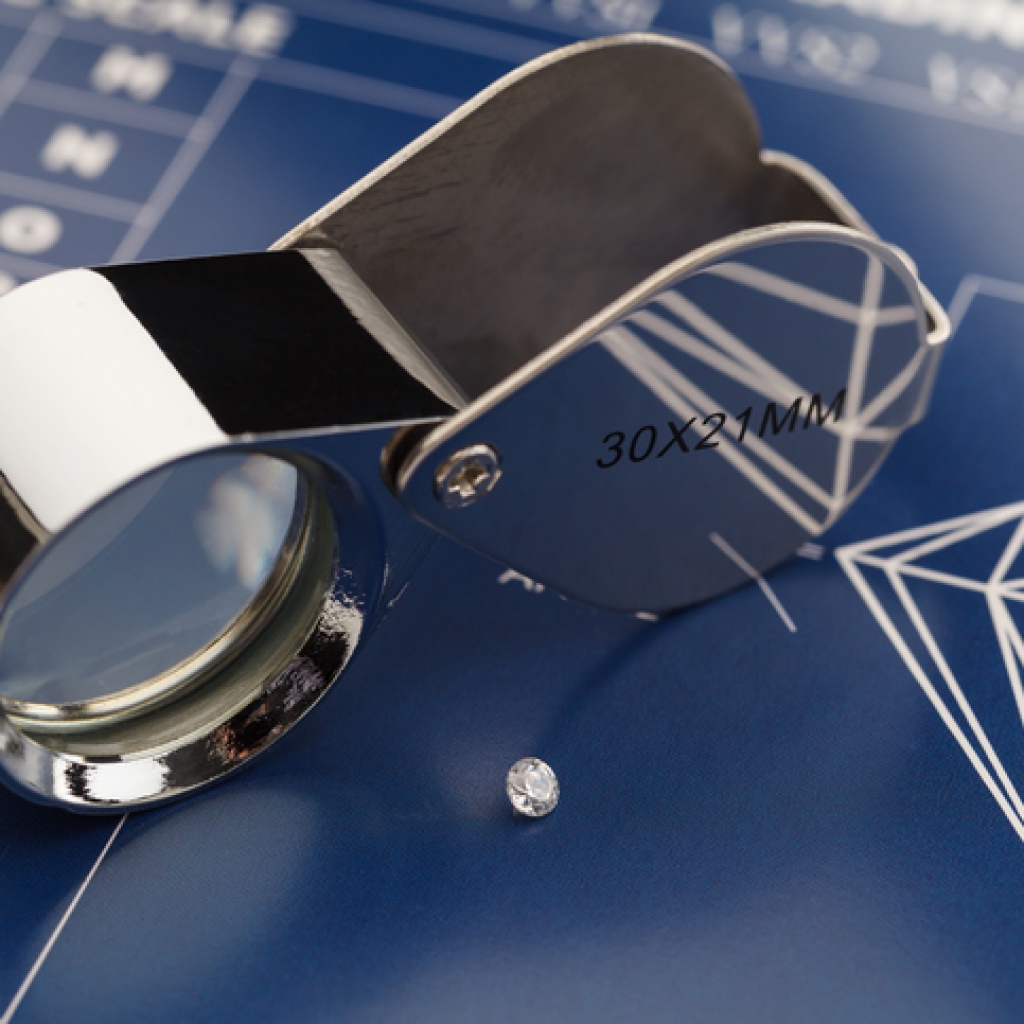
- Expert Loupe Examination: A trained gemologist examining your bracelet under 10x magnification can identify tiny natural imperfections (inclusions) that are characteristic of real diamonds.
Common Diamond Simulants Found in Bracelets
It’s helpful to know what the most common fakes are:
- Cubic Zirconia (CZ): The most prevalent fake. It is heavier than a diamond, almost always flawless, and displays an overly aggressive rainbow sparkle.
- Moissanite: The most convincing simulant. It is so similar in appearance that it requires a specialized electrical conductivity tester to be identified.
- White Sapphire: A natural gemstone, but it lacks the brilliance and fire of a diamond. It is hard but can show scratches over time, unlike a diamond.
- Glass/Crystal: Easily identified by professionals due to its low brilliance, soft surface (easily scratched), and potential for tiny bubbles inside.
When to Seek Professional Help
It’s time to consult an expert when:
- You are considering selling the bracelet and need to know its true value.
- You need a formal diamond bracelet appraisal for Singapore insurance purposes.
- The bracelet is a high-value item or an heirloom, and you want definitive confirmation of its authenticity.
What to Do with the Results
- If the Diamonds Are Real: Congratulations! Your bracelet holds significant value. Your next step could be getting it formally appraised or, if you’re looking to sell, bringing it to a reputable buyer for a fair market offer.
- If the Diamonds Are Fake: We understand this can be disappointing news. While the stones may not have resale value, the bracelet might still hold some value for its precious metal content if the setting is genuine gold or platinum.
For a conclusive and professional evaluation of your jewellery, contact us. Our certified gemologists use state-of-the-art equipment to provide a transparent and accurate assessment, giving you the clarity you need.
Have a similar item to sell?
Receive a non-obligatory cash valuation pegged to live market benchmarks. Message our GIA appraiser directly with your photos or visit our Kreta Ayer showroom.
Sell Your Jewellery Singapore
Official diamond and precious metal buyer in Singapore. Accredited GIA gemologists offering transparent appraisals, spectrometry testing, and immediate PayNow payout.